About EPDM Rubber Profile
EPDM (Ethylene Propylene Diene Monomer) rubber profiles are versatile rubber seals commonly used in various applications due to their excellent resistance to weathering, ozone, UV exposure, and temperature extremes. These profiles are manufactured to meet specific requirements and can be found in industries such as automotive, construction, marine, and manufacturing.
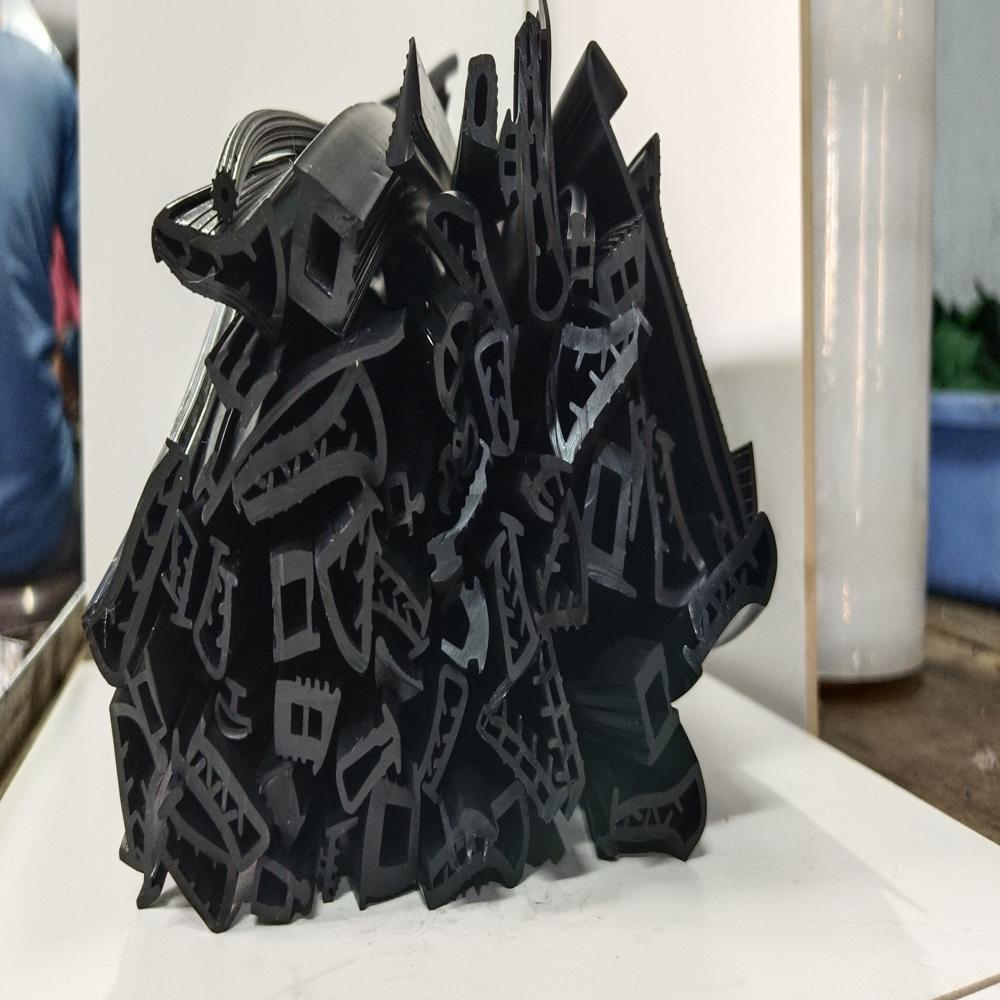
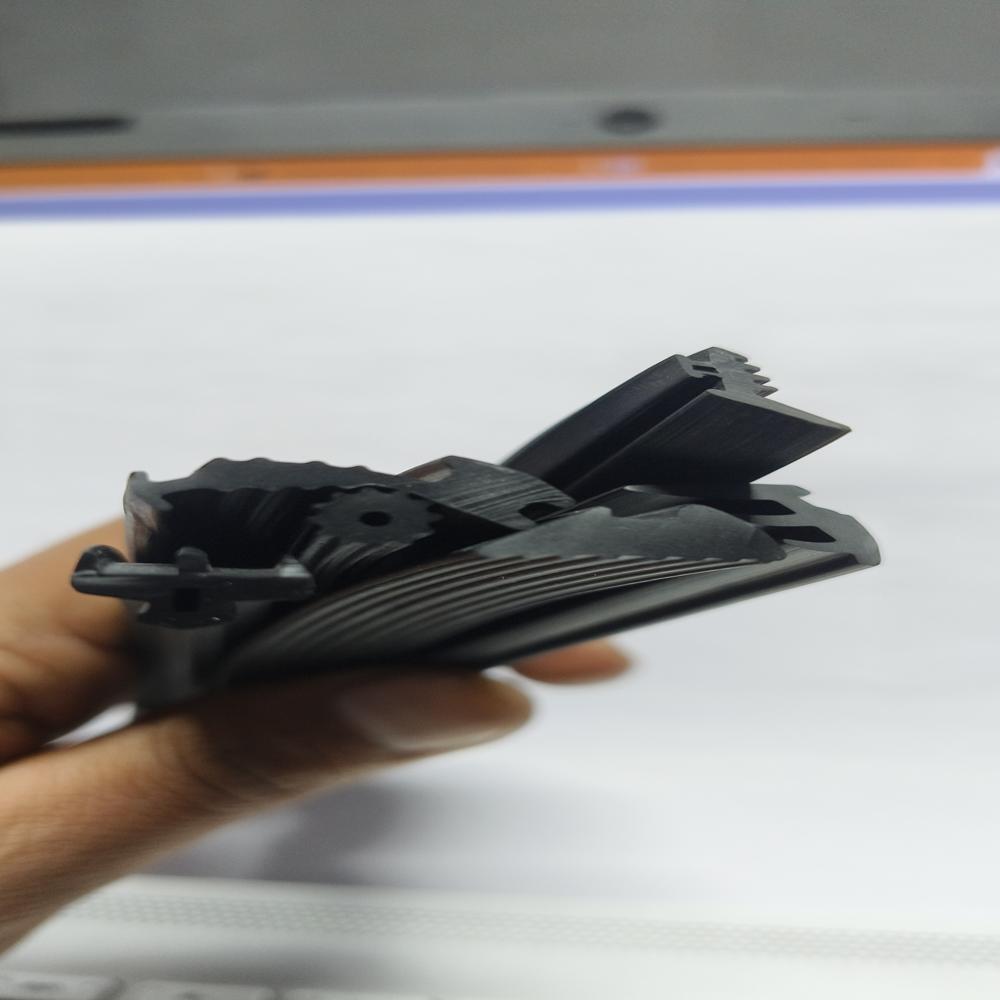
EPDM rubber profiles come in different shapes and sizes, such as:
Extruded Seals: These are continuous lengths of EPDM rubber with specific cross-sectional shapes, such as D-shape, P-shape, T-shape, E-shape, and more. They are used for sealing applications in doors, windows, hatches, and enclosures.
Sponge Profiles: EPDM sponge profiles have a cellular structure, making them compressible and ideal for sealing irregular surfaces or large gaps. They are commonly used in automotive weatherstripping and gasket applications.
Solid Profiles: These EPDM rubber profiles have a solid, dense structure and are suitable for applications requiring firm sealing, such as in machinery or equipment.
Custom Profiles: EPDM rubber can be molded into custom shapes and sizes to meet specific design requirements. This flexibility makes it suitable for a wide range of applications.
EPDM rubber profiles offer several benefits, including:
Excellent weather resistance: They can withstand exposure to sunlight, ozone, and harsh weather conditions without deteriorating.
High temperature resistance: EPDM rubber maintains its properties over a wide temperature range, making it suitable for both hot and cold environments.
Good chemical resistance: It resists degradation from many chemicals, acids, and alkalis.
Long service life: EPDM rubber profiles have a long lifespan, reducing the need for frequent replacements.
Easy installation: They can be easily cut, trimmed, and installed using adhesives or mechanical fasteners.
High-Strength Industrial EPDM Rubber ProfilesEngineered for industrial reliability, our black EPDM PURE grade rubber profiles deliver exceptional tensile strength of 10 MPa and a hardness of 65 SHORE A. Their robust design makes them perfect for a variety of sealing and protective functions, supporting long-lasting performance even in challenging conditions. With customizable sizes and thicknesses, these profiles are tailored to meet the specific needs of various sectors.
Versatile Size Range and CustomizationOffered in a wide range of sizes from 5 mm to 100 mm and various thicknesses, our EPDM Rubber Profiles adapt effortlessly to diverse industrial settings. Bespoke solutions are available to meet unique project specifications, ensuring compatibility with different machinery, structures, or assembly lines. This flexibility makes our rubber profiles a favored choice across the manufacturing sector.
FAQs of EPDM Rubber Profile:
Q: How can EPDM Rubber Profile be utilized in industrial applications?
A: EPDM Rubber Profile is mainly used for sealing, insulation, and protection in various industrial settings. Its high tensile strength and durability make it suitable for environments requiring resistance to weather, chemicals, and physical stress.
Q: What advantages does EPDM PURE grade provide over other grades?
A: EPDM PURE grade ensures enhanced purity, which translates to superior chemical resistance, elasticity, and longevity. This grade is particularly beneficial for industrial use, offering dependable performance and reducing maintenance needs.
Q: When should different thicknesses be chosen for EPDM Rubber Profiles?
A: Select the thickness of the EPDM Rubber Profile based on the specific applications requirements for sealing, insulation, or cushioning. Heavier thicknesses are suitable for environments exposed to higher pressure or impact, while lighter options work well for standard protection.
Q: Where are EPDM Rubber Profiles typically installed?
A: These profiles are commonly installed in manufacturing plants, machinery, and equipment interfaces where reliable sealing and insulation are needed. They are also used in construction, automotive, and other industrial environments across India.
Q: What is the manufacturing process for EPDM Rubber Profiles?
A: EPDM Rubber Profiles are manufactured through extrusion and curing processes. Initially, raw EPDM material is processed and shaped into specific profiles via extrusion, followed by curing to achieve the desired hardness and tensile strength.
Q: How does using EPDM Rubber Profile benefit industrial operations?
A: Using EPDM Rubber Profile improves operational efficiency by providing consistent sealing, protecting against environmental damage, and minimizing downtime due to its long-lasting performance and reduced wear.









 Send Inquiry

 Send Inquiry
